Water Extraction in Brooklyn, NY
☎ (929) 419-4408Tap to call our 24/7 dispatch line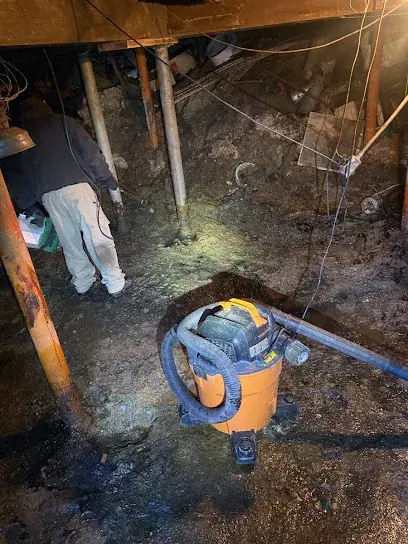
When water is standing in your Brooklyn cellar or spreading across a ground floor, the clock starts the moment it lands. Genesis Water Restoration answers the phone live 24 hours a day and reaches most of the borough in 30 to 60 minutes with truck-mounted pumps ready to run.
How we handle water extraction in Brooklyn
Call & dispatch
A dispatcher answers 24/7 and the nearest Brooklyn crew rolls with truck-mounted pumps, air movers, and moisture meters.
On-site assessment
We trace the source and the full reach of the water, including what soaked into subfloor, plaster, and wall cavities.
Extract & dry
We pull the standing water, then run air movers and LGR dehumidifiers to a verified dry standard, not just the surface.
Verify & bill
We log moisture readings until the structure is dry, then document the loss and bill your carrier directly.
Emergency water extraction across Brooklyn
Standing water never sits still. It wicks up drywall, soaks into subfloor and framing, and swells hardwood until it cups and lifts off the boards. In a below-grade Brooklyn cellar the water has nowhere to drain on its own, so it stays and soaks until a pump pulls it out.
Pull it in the first hours and you often save the baseboards, cabinets, and flooring that would otherwise be torn out and replaced. Speed also beats the mold clock, since damp material can grow mold within 24 to 48 hours, so a fast pump-out and an immediate dry-down keep a small loss from spreading through walls and vents. For simple steps to stay safe while water is rising, read this flood safety guide.
Where standing water hides in Brooklyn homes
Most Brooklyn rowhouses sit over a below-grade cellar or sub-cellar, and that is where the water collects first. Many were built with a straight sewer line to the street and no backwater valve, so groundwater, window-well runoff, and sewer surcharge all find the low point of the house.
Water also tucks under floating laminate and engineered floors, behind baseboards, and inside the wall cavity where you cannot see it. In brownstone blocks like Park Slope, Cobble Hill, and Carroll Gardens the water table sits high and close to the harbor, so a finished basement can seep even with no storm overhead.
Old plumbing is the other culprit: cast-iron drain stacks crack after 80 to 100 years and galvanized lines split, so a hidden failure inside a Bedford-Stuyvesant or Crown Heights wall can flood a floor before anyone notices. That is why we map moisture instead of guessing.
Not all water is the same
Part of a safe pump-out is reading the water. Clean Category 1 water from a supply line is very different from grey Category 2 water off an appliance, and different again from Category 3 black water that came up through a floor drain. Each one calls for its own protection, cleaning, and disposal rules.
That reading also decides what we save and what has to go. Solid materials and hard surfaces usually clean up and dry in place, while soaked carpet pad, saturated drywall, and porous items that sat in dirty water are safer to remove than to gamble on. When a backup is involved, our sewage and black water crew handles the extraction with the right gear.
Drying, insurance, and getting started
Getting the water out is step one; drying the structure is step two, and our structural drying crews see the dry-out through to a verified finish. If a storm or a burst line put the water there, our flood damage cleanup and ceiling and basement crews handle the whole job, not just the puddle.
A flooded cellar is stressful enough without a stack of paperwork. Genesis Water Restoration documents the loss with photos and moisture readings, writes a clear scope in the terms adjusters expect, and bills your carrier directly so the claim keeps moving. Sudden water damage, like a burst pipe or a storm-driven backup, is covered on most Brooklyn homeowners policies. Call (929) 419-4408 any hour and a crew will start pulling the water out right away.
Water damage in Brooklyn does not wait. Call now and a crew is on the way.
☎ Call (929) 419-4408Why Brooklyn cellars fill first
Most rowhouses drop to a below-grade cellar with a straight line to the street and no backwater valve. In a hard rain the combined sewer can push water and waste back up through the floor drain, and a high harbor-edge water table means Gowanus, Red Hook, and Carroll Gardens cellars seep even on dry days. Fast pump-out is the only thing that stops the soak. When a backup is behind it, the NYC DEP sewer backup guide is a solid, plain-language source.
"Our cellar took on almost a foot of water after a summer downpour and the old floor drain just backed up. I called before sunrise and a crew reached our Kensington place within the hour, pumped it all out, and had the dryers running by breakfast. They stayed calm and walked me through every step."
Talia R. · Kensington
Why Brooklyn calls us first
On-site in 30 to 60 minutes
A dispatcher answers 24/7 and a crew rolls the moment you call, any hour, any Brooklyn block.
IICRC-certified crews
Trained technicians with truck-mounted pumps, air movers, and moisture meters, not a mop and a bucket.
We bill your insurer
We document the loss with photos and readings and work with your carrier directly, so the paperwork is not on you.
Deep Brooklyn knowledge
Brownstone cellars, combined sewers, flat roofs, and flood-zone blocks, we know how water moves here.
We cover every Brooklyn neighborhood
From our East Flatbush base we respond borough-wide across Kings County.
Seated in East Flatbush at 747 E 46th St, our crews cover the whole borough, day or night, and reach most homes in 30 to 60 minutes.
We serve Park Slope, Williamsburg, Bay Ridge, Bedford-Stuyvesant, Flatbush, Sheepshead Bay, Crown Heights, Bushwick, Canarsie, and every Brooklyn neighborhood.
See every neighborhood and ZIP we serve ›Related restoration services
Common questions, answered
How fast can you reach my Brooklyn home to pump out water?
We answer the phone live 24 hours a day and reach most of Brooklyn in 30 to 60 minutes. The faster we pump the water out, the less it soaks into your floors and framing. Call (929) 419-4408 and you will reach a real person.
My cellar keeps taking on water. Can you find out why?
Yes. We trace the real source, whether it is a sewer backup through the floor drain, groundwater, or a failed pipe inside a wall, and we tell you what we find so the same room does not keep flooding.
What is the difference between clean, grey, and black water?
Clean Category 1 water comes from a supply line or a fresh source. Grey Category 2 water carries some contamination, often from an appliance. Black Category 3 water, like a sewer backup or floodwater, is unsafe and calls for full protection and disposal of soaked porous material.
How soon does mold start after standing water?
Mold can begin within 24 to 48 hours on damp material. That is why we pump out fast and move straight into drying, so a small loss does not turn into a mold problem inside your walls.
Do you work with my insurance company?
Yes. We document the loss with photos and moisture readings, write the scope in the terms adjusters expect, and bill your carrier directly so the claim keeps moving.
Do I need to leave during extraction?
Usually not for a contained job. If water is near the electrical panel or the space is unsafe, we may ask you to stay clear of that area while we work. We will tell you plainly what is safe.
What do you do with soaked carpet and flooring?
We save what can be dried and cleaned and remove what cannot. Carpet pad and drywall that sat in dirty water usually come out, while hardwood can often be saved if we reach it fast.
What areas of Brooklyn do you serve?
We serve all of Brooklyn, from Park Slope, Williamsburg, and Bay Ridge to Sheepshead Bay, Canarsie, and the neighborhoods along Jamaica Bay.
Brooklyn's water damage crew is standing by
Water sitting means damage growing. Call Genesis Water Restoration and a crew is on the way, 30 to 60 minutes out.
(929) 419-4408Tap to call, a person answers 24/7