Mold Remediation in Brooklyn, NY
☎ (929) 419-4408Tap to call our 24/7 dispatch line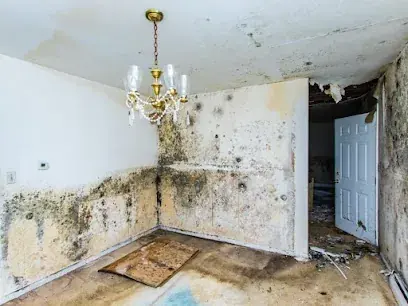
Mold is a moisture problem in disguise: a musty smell, a dark patch in a closet, or a stain spreading on old plaster, but the real cause is always water that stayed too long. Genesis Water Restoration remediates mold across Brooklyn, from a small bathroom patch to a whole flooded cellar, and works to New York's mold law, which is stricter than most realize.
How we handle mold remediation in Brooklyn
Call & dispatch
A dispatcher answers 24/7 and the nearest Brooklyn crew rolls with truck-mounted pumps, air movers, and moisture meters.
On-site assessment
We trace the source and the full reach of the water, including what soaked into subfloor, plaster, and wall cavities.
Extract & dry
We pull the standing water, then run air movers and LGR dehumidifiers to a verified dry standard, not just the surface.
Verify & bill
We log moisture readings until the structure is dry, then document the loss and bill your carrier directly.
Why Brooklyn homes grow mold so fast
Brooklyn hands mold everything it needs, and the borough's aging housing stock rarely lets moisture dry on its own.
- Humid summers push indoor humidity well past the 60 percent line where mold thrives.
- Slow hidden leaks: a pinhole supply line, a failing shower pan, or a corroded cast-iron stack can weep for months inside a pre-war wall before a stain shows.
- Damp below-grade cellars, where masonry wicks groundwater and the air does not move, hit finished basements in Flatbush, Midwood, and Bay Ridge hardest.
- Every flood counts: homes that took water in Sandy, Ida, or a cellar backup grow mold within 24 to 48 hours unless drying is fast and full, which is why our flood cleanup, structural drying, and mold crews work together.
The signs, and the leak you cannot see
Suspect mold when you get a persistent musty smell, black, green, or white fuzzy patches, bubbling paint or warped trim near an old leak, or allergy and asthma symptoms that ease when you leave home. The worst Brooklyn jobs start with a slow leak inside a wall, a shower pan, or a cast-iron stack that weeps for months; the surface looks fine until the smell arrives and the colony is already living in the cavity.
Water damage in Brooklyn does not wait. Call now and a crew is on the way.
☎ Call (929) 419-4408Mold, your health, and black mold
Breathing spores can trigger allergic reactions, asthma attacks, and irritation of the eyes, skin, throat, and lungs, hardest on infants, older adults, and anyone with asthma or a weakened immune system. Black mold usually means Stachybotrys, which grows on constantly wet, paper-rich material like drywall and plaster. It deserves careful removal, but you do not need to panic over the color: all mold indoors should be removed whatever its color. Read the plain-language guidance from the EPA on mold and the CDC guide to mold cleanup.
NYC mold rules and who is responsible
New York regulates mold work more tightly than almost anywhere.
Licensed work (NYS Labor Law Article 32). Professional mold work needs state licenses, and on the same job the company that assesses the mold and the one that remediates it must be independent of each other. This kicks in once the moldy area is larger than about 10 square feet; below that, a homeowner can handle a small, clean spot.
Landlord duties (NYC Local Law 55). Owners of buildings with three or more apartments must keep units clear of mold and pests, inspect at least yearly and at every turnover, and remediate safely. If you rent in such a Brooklyn building, the mold is your landlord's responsibility; report it through 311, and HPD can inspect and cite the owner.
Co-ops and condos. Who pays usually follows the proprietary lease or bylaws, and because mold almost always traces back to a water source, it often comes down to where the water started. We document the source and coordinate with your board.
Insurance usually turns on the cause: a sudden covered loss like a burst pipe is often covered, while a slow leak or long-term humidity is treated as maintenance and denied. If the mold grew from a leak we can trace, whether a burst pipe or a roof leak, our ceiling and basement crew addresses the source at the same time. Call (929) 419-4408 for an honest assessment.
"We manage a three-family in Sunset Park and a tenant reported mold after a slow riser leak. The crew explained exactly what Local Law 55 required of us, contained the unit, removed the affected drywall, and brought in a separate company to test the air afterward. Everything was documented for the board and the insurer. They made a stressful situation simple."
Yvonne C. · Sunset Park
Why Brooklyn calls us first
On-site in 30 to 60 minutes
A dispatcher answers 24/7 and a crew rolls the moment you call, any hour, any Brooklyn block.
IICRC-certified crews
Trained technicians with truck-mounted pumps, air movers, and moisture meters, not a mop and a bucket.
We bill your insurer
We document the loss with photos and readings and work with your carrier directly, so the paperwork is not on you.
Deep Brooklyn knowledge
Brownstone cellars, combined sewers, flat roofs, and flood-zone blocks, we know how water moves here.
We cover every Brooklyn neighborhood
From our East Flatbush base we respond borough-wide across Kings County.
Seated in East Flatbush at 747 E 46th St, our crews cover the whole borough, day or night, and reach most homes in 30 to 60 minutes.
We serve Park Slope, Williamsburg, Bay Ridge, Bedford-Stuyvesant, Flatbush, Sheepshead Bay, Crown Heights, Bushwick, Canarsie, and every Brooklyn neighborhood.
See every neighborhood and ZIP we serve ›Related restoration services
Common questions, answered
What is the difference between mold removal, remediation, and abatement?
Removal is the everyday word, but no one can strip every spore from indoor air. Remediation is the full professional process that returns mold to a normal level: fix the moisture, remove contaminated material, clean, and prevent its return. Abatement is the hands-on removal step itself, and in New York it is also a licensed worker tier under the state mold law.
How much does mold removal cost in Brooklyn or NYC?
It depends on the size of the area, where the mold is, and how much material must be removed and rebuilt. A small contained patch is modest; a whole flooded cellar with hidden growth costs more. We give a clear scope up front. Call (929) 419-4408 for a straight answer.
Will insurance pay for black mold removal in NYC?
It depends on the cause. Mold from a sudden covered loss, like a burst pipe cleaned up promptly, is often covered. Mold from a slow, long-ignored leak or chronic humidity is usually treated as a maintenance issue and denied. Many New York policies also cap mold coverage. We document the cause to give your claim its best shot.
Do I legally need a licensed mold assessor and remediator in New York?
For a project larger than about ten square feet, yes. New York's Labor Law Article 32 requires licensed professionals, and on the same job the assessor and the remediation contractor must be independent companies. Small spots under that size can often be handled by the homeowner with care.
What is black mold and what are the symptoms of exposure?
Black mold usually refers to Stachybotrys, which grows on constantly wet, paper-rich material. Exposure can cause allergic reactions, asthma flare-ups, and irritation of the eyes, skin, throat, and lungs, with the strongest reactions in children, older adults, and anyone with asthma or a weakened immune system. All mold indoors should be removed, whatever the color.
What permanently kills mold, and why does source removal matter?
Nothing you spray keeps mold gone if the moisture stays. Mold returns wherever water returns, so the permanent fix is removing the water source and drying the structure completely, then cleaning and removing contaminated material. Bleaching a surface over a wet wall just hides the problem until it grows back.
Should I stay in my home during mold removal?
For a small contained job, usually yes. For larger work, or if someone in the home has asthma or a weakened immune system, it can be better to stay clear of the work area. Our containment and negative air keep spores out of the rest of the home either way.
Can I remove mold myself, or should I hire a pro?
A small, clean patch under about ten square feet on a hard surface can often be handled at home with proper protection. Larger areas, anything inside walls or the HVAC, mold from sewage or floodwater, and anything that keeps returning call for a licensed professional and real containment.
How do I know if I have hidden mold or moisture?
The tells are a persistent musty smell, allergy symptoms that ease when you leave the house, staining or warping near a past leak, and any history of a flood or damp cellar. We confirm it with moisture meters, thermal imaging, and, where needed, air and surface sampling.
What are my landlord's mold responsibilities in NYC?
Under Local Law 55, owners of buildings with three or more apartments must keep units clear of mold and pests, inspect at least yearly and at turnover, and remediate using safe work practices. If you rent in such a building, fixing mold is the landlord's duty. Report it through 311 and HPD can inspect and cite the owner.
What time of year is worst for mold in Brooklyn?
Summer. Hot, humid weather pushes indoor humidity past the 60 percent line where mold thrives, and damp cellars stay muggy for months. Spring thaw and any post-storm flooding also drive a wave of new growth if wet material is not dried fast.
How long does remediation take, and what is clearance testing?
Most residential jobs run a few days, longer if there is heavy demolition or a large area. Clearance testing is the final step: an independent assessor inspects and samples the air to confirm the mold is back to a normal level. New York's mold law favors keeping that tester independent from the crew that did the work.
Brooklyn's water damage crew is standing by
Water sitting means damage growing. Call Genesis Water Restoration and a crew is on the way, 30 to 60 minutes out.
(929) 419-4408Tap to call, a person answers 24/7